
Why Kidswear Sizing Fails—and How to Make Better Fit Decisions
Learn why children’s clothing sizes vary and how measurements, garment details, and fit guidance can reduce online shopping uncertainty.
Why Children’s Clothing Sizes Vary So Much
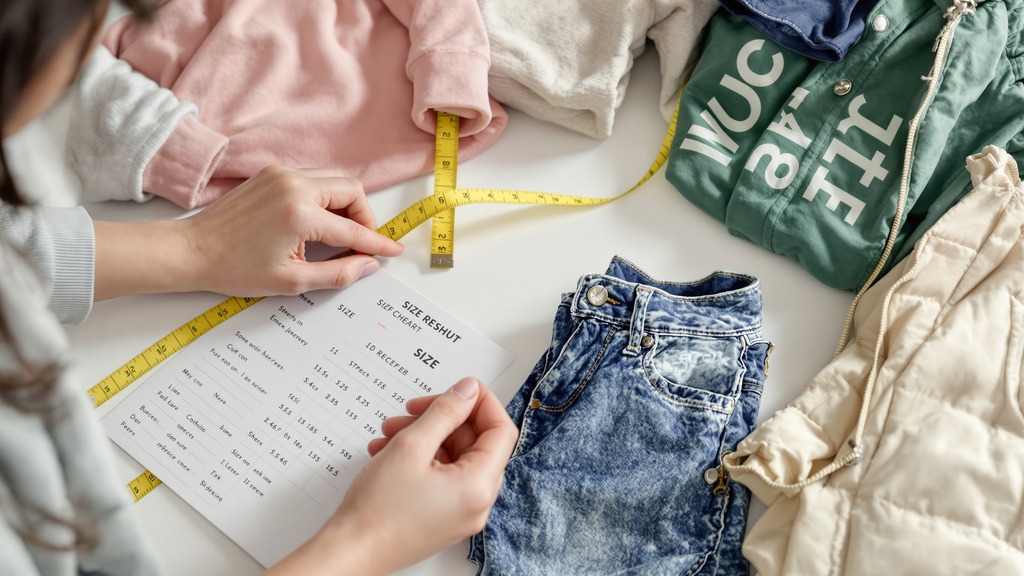
Children’s clothing sizes are less standardized than many shoppers expect. A label such as 4T, 5, or 6 may suggest an age range, but brands often use different height, chest, waist, and hip measurements to define that size. One child may be tall and slim, while another of the same age may be shorter with a broader build. Age-based labels cannot capture those differences reliably, which is why kidswear sizing can feel inconsistent from one retailer to the next.
Fabric and garment design add another layer of uncertainty. Stretch jersey, elastic waistbands, and adjustable straps can accommodate growth, while rigid denim, structured jackets, and fitted school uniforms usually require more precise measurements. Intended use matters too: sleepwear may be designed close to the body for safety, whereas winter coats need room for layers. Instead of treating a size label as a universal answer, view it as a starting point. Better children’s clothing decisions come from comparing a child’s current measurements with the brand’s specific size chart and the garment’s construction.
A Practical Framework for Comparing Fit Guidance
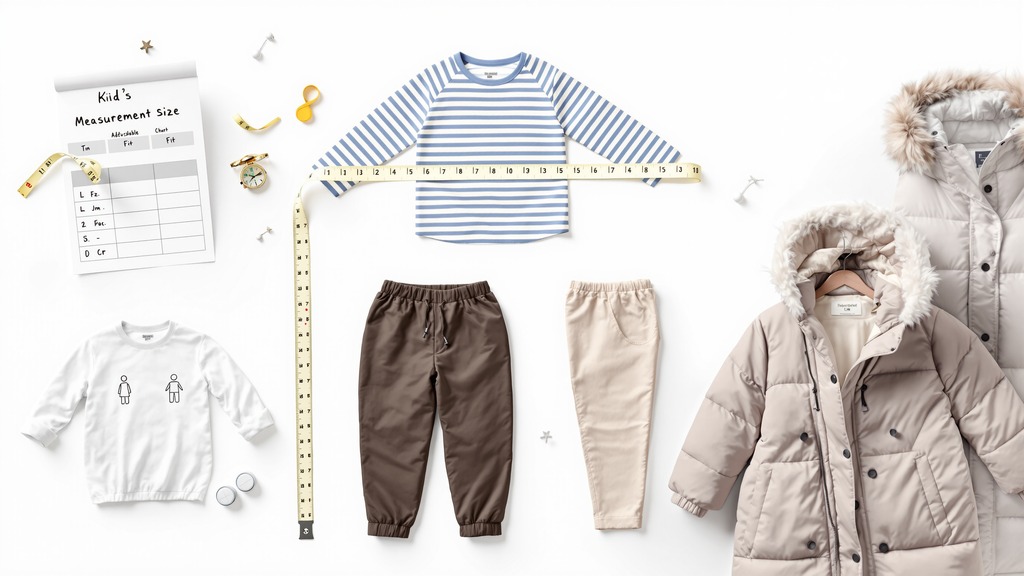
Start with accurate measurements taken over light clothing. Record height, chest, waist, and hips, keeping the tape level and comfortably snug. For bottoms, inseam and waistband measurements can be especially useful; for outerwear, note whether the child will wear sweaters underneath. Compare these numbers with the product-specific chart rather than relying only on age or the size worn in another brand. If a child falls between sizes, read the fit notes before choosing larger or smaller.
Next, assess the garment’s shape and purpose. Terms such as slim, regular, relaxed, oversized, and fitted explain how much ease the designer intended. Product photos can help, but measurement-based fit guidance is more dependable. Check fabric composition, stretch, closures, adjustable features, and care instructions, since shrinkage or limited flexibility may affect the final fit. On an online shopping platform, filters for measurements, season, occasion, and availability can narrow the choices before you compare details. A guided tool such as MiniMeasure Market can make this process clearer by organizing child measurements alongside product information and recommended fit.
Turning Better Fit Decisions Into Fewer Returns

A reliable fit decision combines three checks: the child’s measurements, the garment’s design, and the expected wearing conditions. Before buying, ask whether the item must fit over layers, allow movement, or last through a growth period. For gifts, request current measurements or choose flexible styles such as elastic waists, adjustable straps, and forgiving knits. Avoid guessing based on a child’s age alone, especially for uniforms, formalwear, footwear, and weather-specific layers.
Keep the information useful after purchase. Save measurements with the date taken, note which brands fit well, and record whether an item ran small, large, short, or long. Sellers can support this process with clear charts, consistent product measurements, variant-level inventory, and straightforward return guidance. Apps that connect fit recommendations with catalogs, stock, checkout, delivery, and customer service can reduce friction for both shoppers and independent children’s apparel sellers. Kidswear sizing will never be perfectly uniform, but a measurement-first approach makes online shopping more predictable, lowers avoidable returns, and helps families choose clothing that fits comfortably today while matching real needs.